

Global Research Priorities on COVID-19 for Maternal, Newborn, Child and Adolescent Health: CANHENT’s Evidence Summary
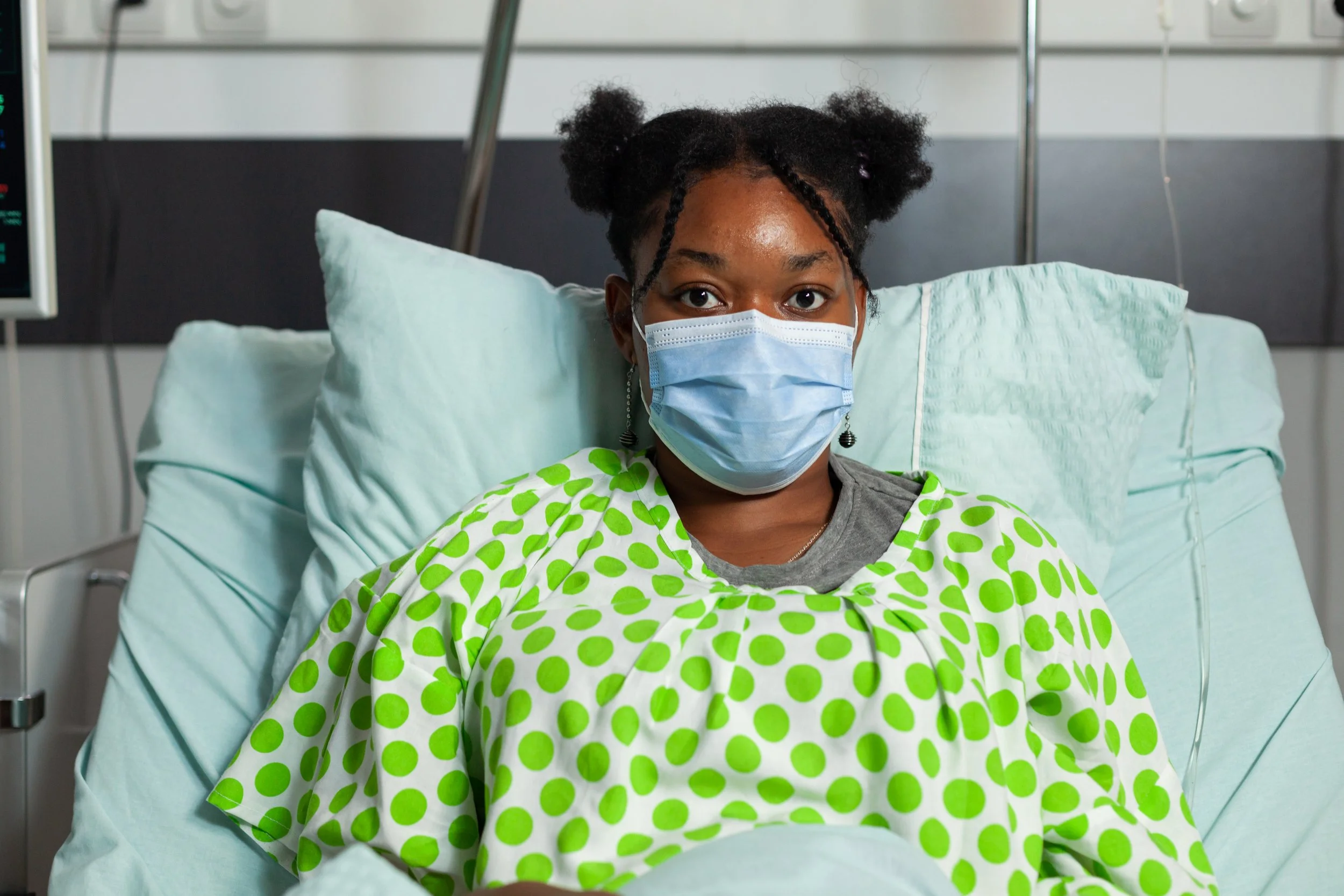
The COVID-19 pandemic reshaped global health priorities, but its impact on maternal, newborn, child and adolescent health (MNCAH) has been particularly significant. While the direct clinical effects of SARS-CoV-2 infection have been widely studied in adults, evidence continues to evolve around pregnancy outcomes, newborn infection risks, and COVID-19 complications in children and adolescents. Beyond the clinical burden, the pandemic also triggered widespread disruption of essential MNCAH services, affecting antenatal care, skilled birth attendance, postnatal follow-up, routine immunization, and adolescent health support.
In response to these growing concerns, the Center for African Newborn Health & Nutrition (CANHENT) highlight the importance of evidence-driven planning and coordinated research. As part of its commitment to improving maternal and child health outcomes through research translation and policy-relevant engagement, CANHENT draws on a World Health Organization (WHO)-led global research prioritization exercise that identified the most urgent evidence gaps related to COVID-19 and MNCAH.
Using an adapted Child Health and Nutrition Research Initiative (CHNRI) methodology, WHO engaged 206 global experts who contributed 664 research ideas. These experts represented researchers, clinicians, programme managers, policymakers, and donors, with nearly half based in low- and lower-middle income countries. The ideas were refined into 220 priority research questions, which were scored using criteria such as answerability, effectiveness, deliverability, potential impact, equity, and timeliness. The result was a ranked set of research priorities across maternal health, newborn health, child and adolescent health, and cross-cutting health systems issues.
From a CANHENT perspective, these priorities provide a critical roadmap for strengthening evidence-based action in both emergency response and long-term health systems planning.
In maternal health, top-ranked research priorities focused on improving access to antenatal and postnatal services, understanding risk factors for adverse maternal outcomes among infected women, and evaluating vaccine safety and effectiveness during pregnancy. These priorities reflect the need to protect maternal health while ensuring continuity of care even during public health crises.
For newborn health, the agenda emphasized effective treatment strategies for symptomatic newborns, clearer understanding of transmission routes, and evidence-based interventions that support infection prevention without undermining essential newborn care practices such as breastfeeding and kangaroo mother care. This aligns closely with CANHENT’s commitment to advancing interventions that reduce newborn mortality while promoting quality care delivery.
In child and adolescent health, sustaining routine immunization services emerged as the highest priority, reflecting widespread concern about the long-term consequences of disrupted vaccination programmes. Other priorities included safe approaches to school reopening, communication strategies tailored to adolescents, and the role of comorbidities such as asthma, diabetes, malnutrition, obesity, and HIV exposure in influencing COVID-19 severity.
Cross-cutting research priorities strongly highlighted the importance of health system resilience, including ensuring oxygen availability in low-resource settings, identifying barriers to essential service delivery, and evaluating health system adaptations such as telemedicine and community-based approaches. These findings reinforce CANHENT’s focus on strengthening health systems as a foundation for improved MNCAH outcomes.
Overall, this global research prioritization provides an evidence-based framework that supports CANHENT’s work in advancing maternal and child health through research, advocacy, and policy engagement. It confirms that protecting MNCAH outcomes during pandemics requires not only clinical interventions but also strong health systems, equitable access to essential services, and coordinated research investments that address the most urgent gaps.
For low- and middle-income countries including Nigeria these priorities offer practical direction for strengthening preparedness, sustaining routine MNCAH services, and ensuring that women, newborns, children, and adolescents remain protected during future public health emergencies.
